Role
Role and team
I led product strategy with a cross-functional team of three: a senior designer, a growth marketer, and one developer. I defined the problem framing, the hypotheses, and the criteria that would count as validation.
Strategy and intervention
- What v1 taught us. The first iteration, designed by the senior designer, met the delivery constraints and came back with conclusively negative results.
- The strategic pivot. Rather than redesigning from scratch, I kept the existing interface and redefined the value proposition: the interaction changed from a passive form to an interactive Wizard flow — from reading and submitting, to actively answering.
- Efficient execution. I designed a no-code experiment, outside the app, to validate the hypothesis in one week — working within the engineering capacity that actually existed, which was one developer.
Validation and impact
Growth marketing drove comparable traffic to both versions so the data would be meaningful: 1,859 users on v1 against 1,734 on the Wizard. The comparative metrics are in Results below.
Context
First-time user onboarding for a consumer product that relies on AI-driven personalization. The onboarding needed to understand what users were looking for — love, career, personal growth — in order to deliver more relevant insights later in the product.
The product was at MVP stage, with significant constraints:
- No available backend capacity
- Limited development time
- Pressure to move forward without increasing technical risk
The problem
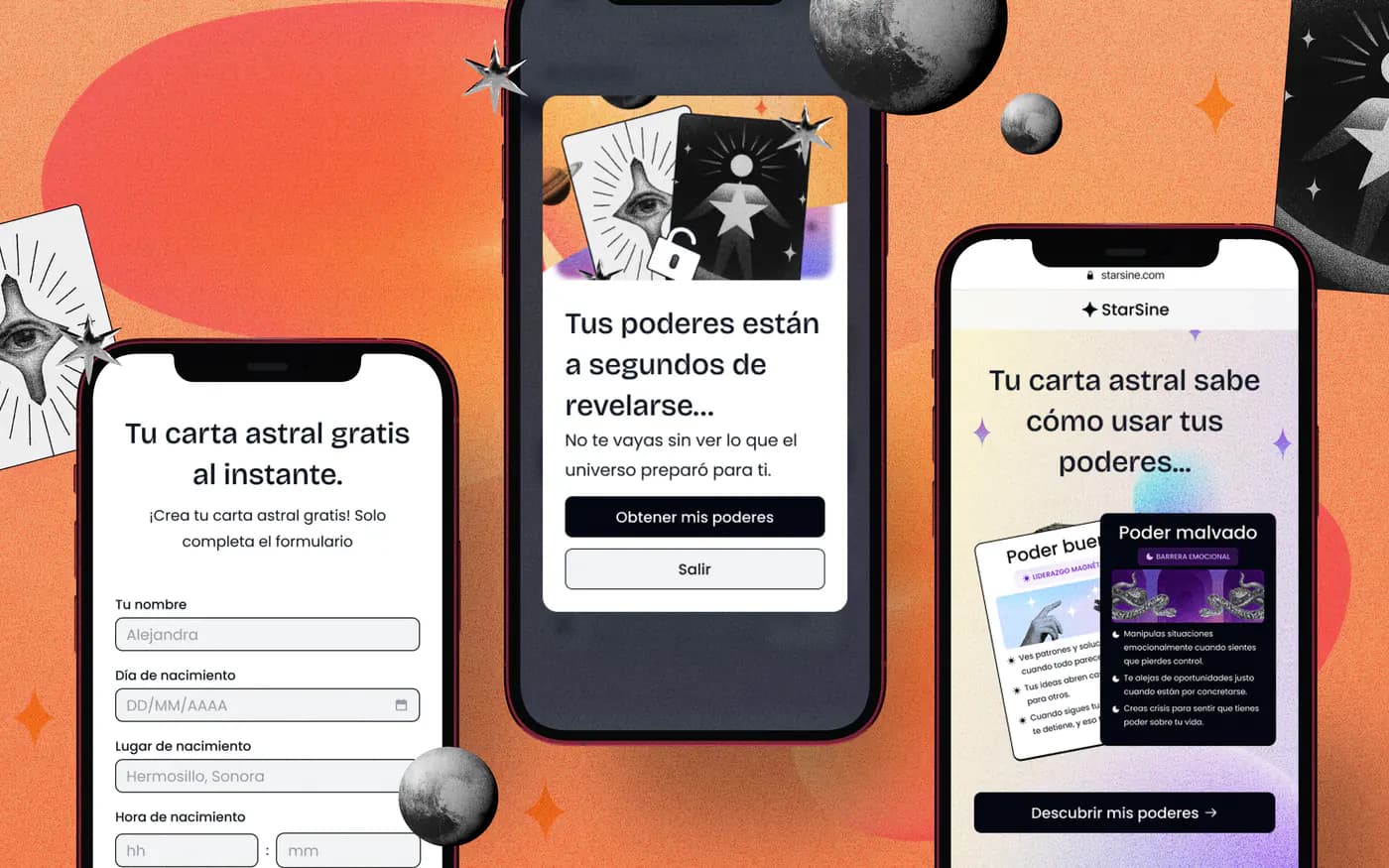
The initial onboarding relied on passive navigation: users were presented with information and benefits, then asked to submit their data through a form.
Despite being visually clean, it failed to engage first-time users:
- Users dropped off early in the flow
- There was little sense of intent before asking for commitment
- Visual simplicity reduced friction, but also removed guidance
Fewer than 3% of users who reached the entry point continued to the next step. Passive navigation was not generating enough engagement or clarity for first-time users.
Hypothesis
First-time users need active guidance to build intent before being asked to commit. So the hypothesis was:
A guided Wizard with intentional questions would increase engagement and reduce drop-off compared to passive navigation.
Trade-offs
The ideal long-term solution — a real-time chat experience — was not feasible for the MVP. Development estimates exceeded six weeks and backend capacity was limited.
Rather than debating the approach abstractly, the team chose to validate user behaviour first, without committing to technical investment. The key question became:
Does asking users guided questions actually change how they move through the onboarding flow?
Experiment
The experiment was intentionally lightweight:
- No backend logic
- No data persistence
- No engineering dependency
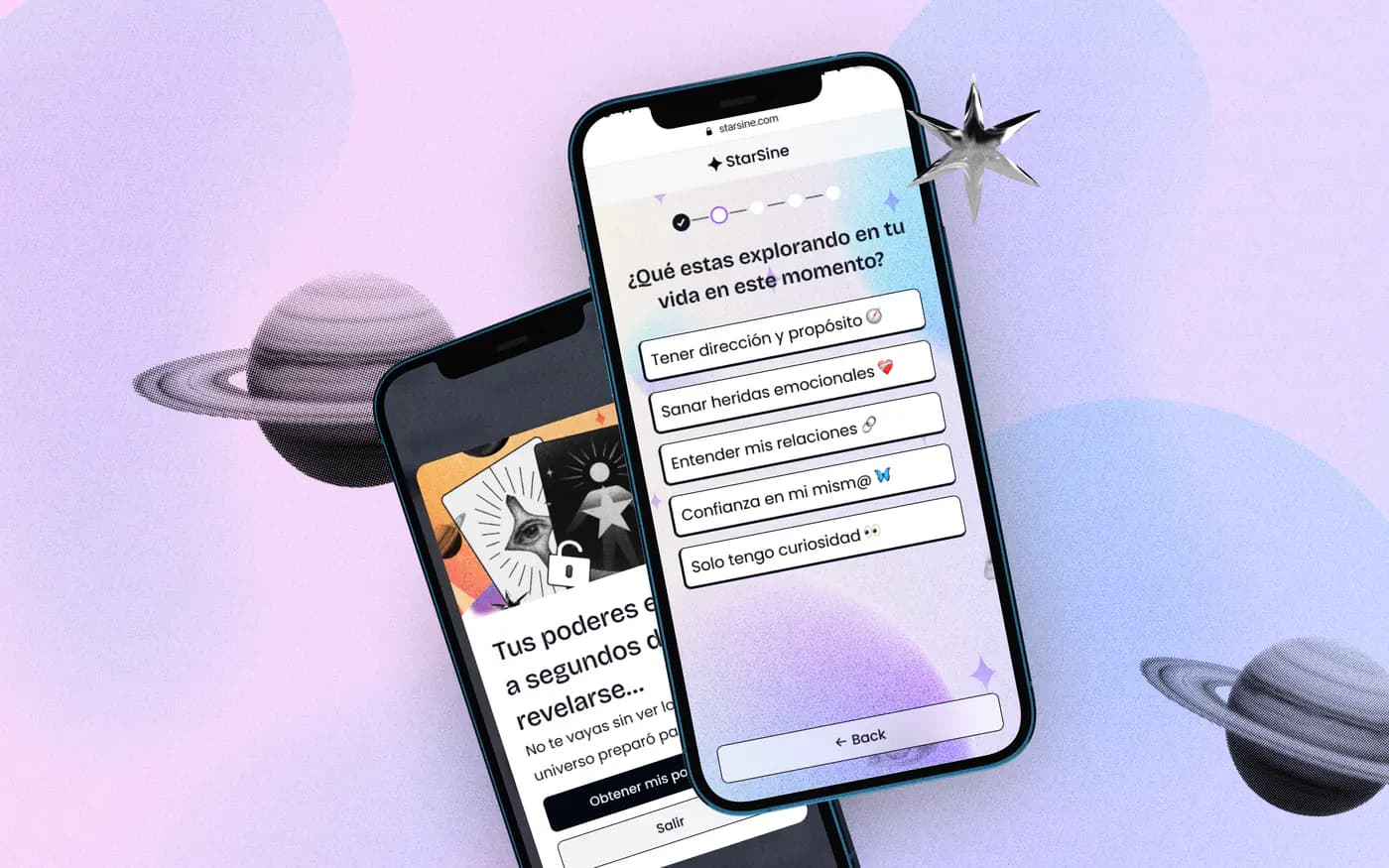
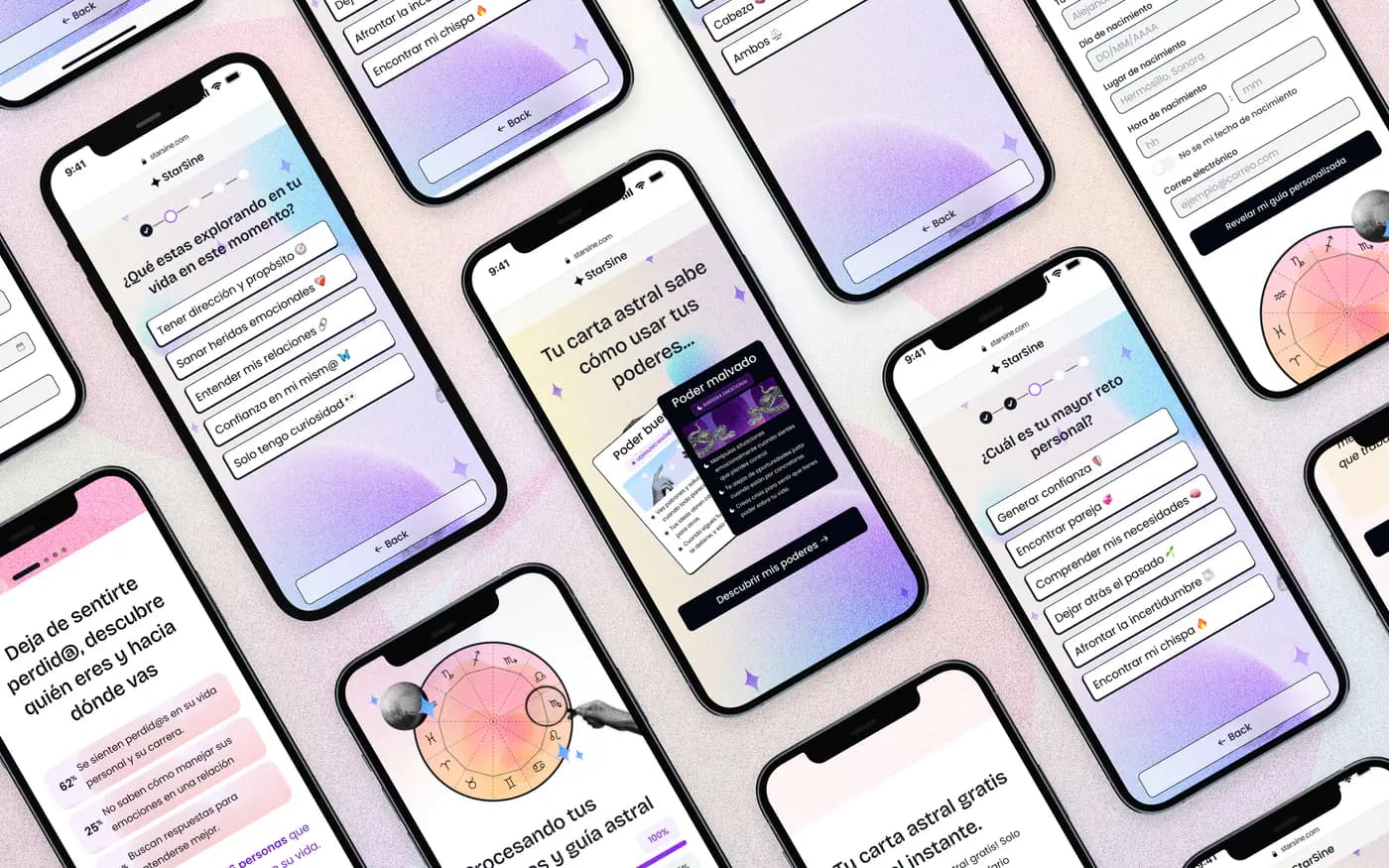
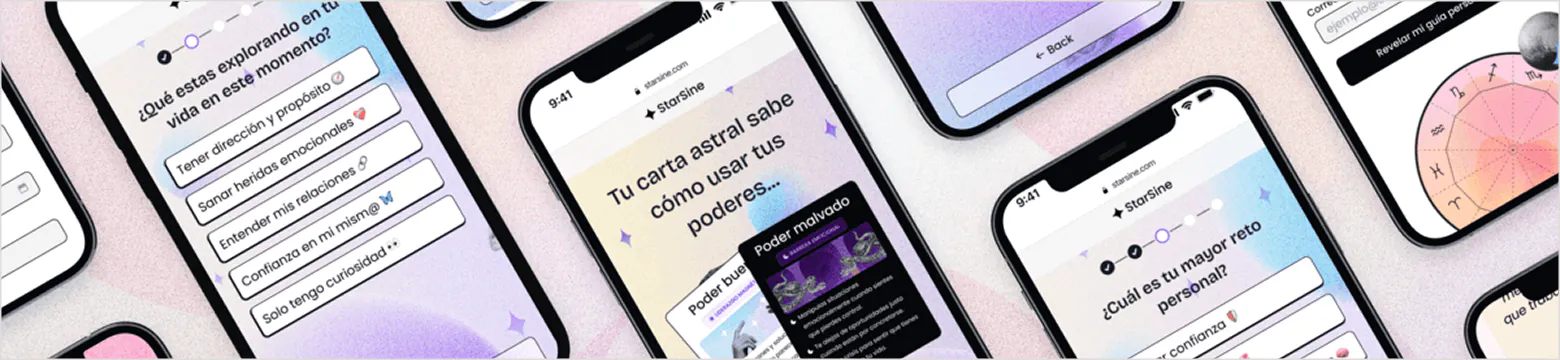
The Wizard simulated a guided experience — a clear entry point, intentional user-focused questions, and a visible sense of progression. At the end of the flow, users were redirected to the existing form. That kept the test fast, safe, and inside the constraints.
Results
- Before · passive form
- <3%of users who reached the entry point went on to the next step
- After · guided Wizard
- 20.2%↑ 7× vs the passive formcompleted the full flow and reached the form
| Step | Users | Rate |
|---|---|---|
| Entered the Wizard entry point | 1,734 | — |
| Progressed to the first step | 502 | 28.9% |
| Reached the second step | 410 | 23.6% |
| Reached the third step | 367 | 21.1% |
| Completed the Wizard and reached the form | 351 | 20.2% |
Drop-off across steps was expected. What matters is where it stopped: over 20% of users completed the full guided flow, which means the intentional questions and the visible progression were holding users right through to the point of committing.
The Wizard retained ~20% of users through the full flow, against a baseline of under 3% — validating guided intent-building as a more effective onboarding strategy than passive navigation.
Key learnings
- First-time users need active guidance to build intent before being asked to commit. Passive navigation reduced friction visually, but removed orientation and confidence.
- Intentional questions can function as both engagement and validation tools. Asking users about themselves increased participation without requiring backend logic.
- Visible progression is critical in multi-step onboarding flows. Progress indicators helped users understand effort and reduced early abandonment.
- Lightweight experiments can de-risk major product decisions. Validating behaviour without engineering investment let the team move forward with confidence.
Final UI snapshots
The flow as it shipped: the intent question that opens it, the guided steps, and the astral chart it pays off with.